
NEWS CENTER
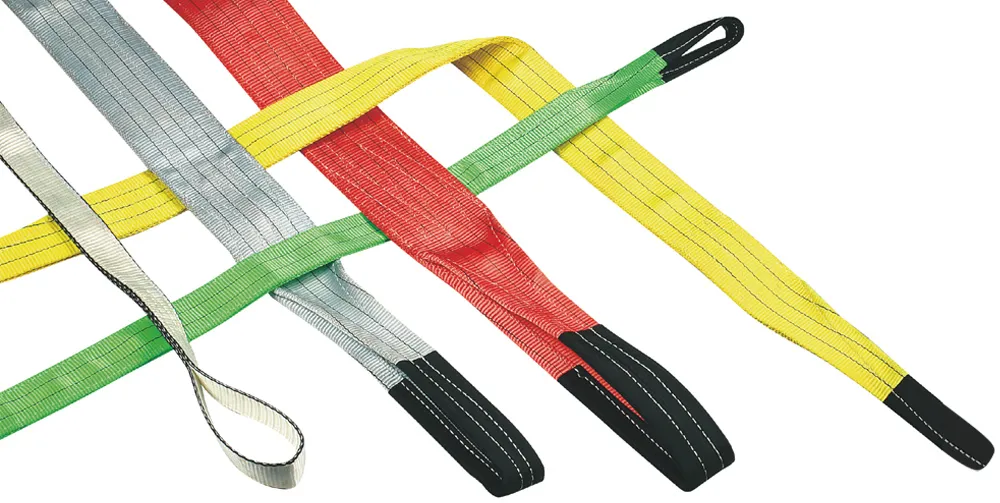
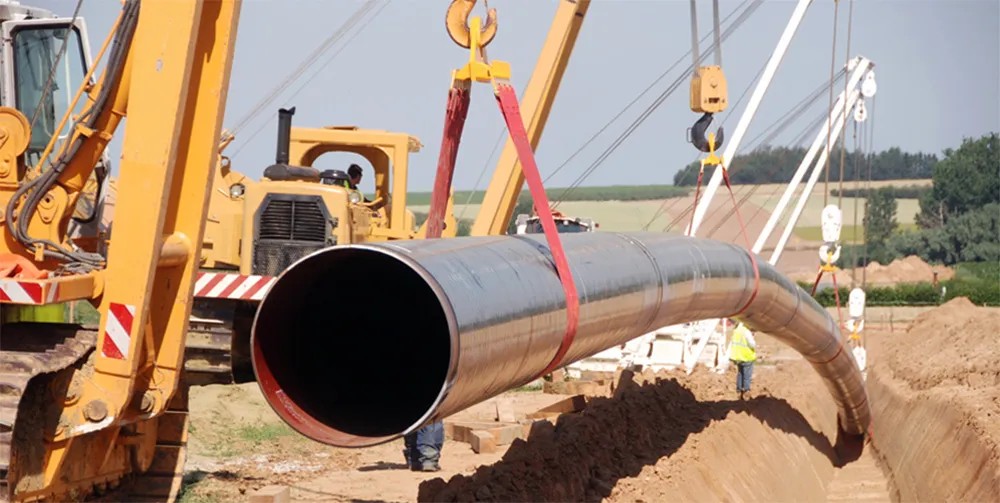
A webbing sling safety factor is one of the most important concepts in lifting and rigging because it directly relates to safety during load handling. Let me break it down for you:
What Is Safety Factor?
The safety factor (SF) of a webbing sling is the ratio between its breaking strength (the maximum load it can withstand before failure) and its Working Load Limit (WLL) (the maximum load it is rated to lift safely in service).
Safety Factor (SF)=Breaking Strength (BS)÷Working Load Limit (WLL)
Common Safety Factors for Webbing Slings
· EN 1492-1 (Europe) → Safety Factor 7:1
· ASME B30.9 (USA) → Typically 5:1 for synthetic web slings
· WSTDA-WS-1 (USA, Web Sling & Tie Down Association) → 5:1
· China National Standards (GB/T 8521) → Usually 6:1 or 7:1
? Example:
If a sling has a WLL of 2,000 kg and a safety factor of 7:1, its breaking strength is:
2000×7=14,000 kg2000
Why Is Safety Factor Important?
1. Compensates for Wear & Tear – Accounts for gradual weakening due to abrasion,
UV exposure, or chemical attack.
2. Protects Against Misuse – Covers possible dynamic loads, shock loading, or
improper sling angles.
3. Ensures Compliance – Regulatory bodies and safety inspectors require adherence to specific SF values.
Best Practices for Safe Lifting with Webbing Slings
· Always check the WLL tag/label before use.
· Inspect for cuts, abrasions, chemical damage, or UV degradation.
· Avoid knots, sharp edges, or excessive angles that reduce capacity.
· Never exceed the WLL, even if the sling looks strong.
· Follow the manufacturer’s guidelines and relevant safety standards.
✅ In summary: The safety factor in webbing slings ensures that the sling’s actual breaking strength is many times higher than its rated working load. This built-in margin is critical for preventing accidents and ensuring safe lifting operations.
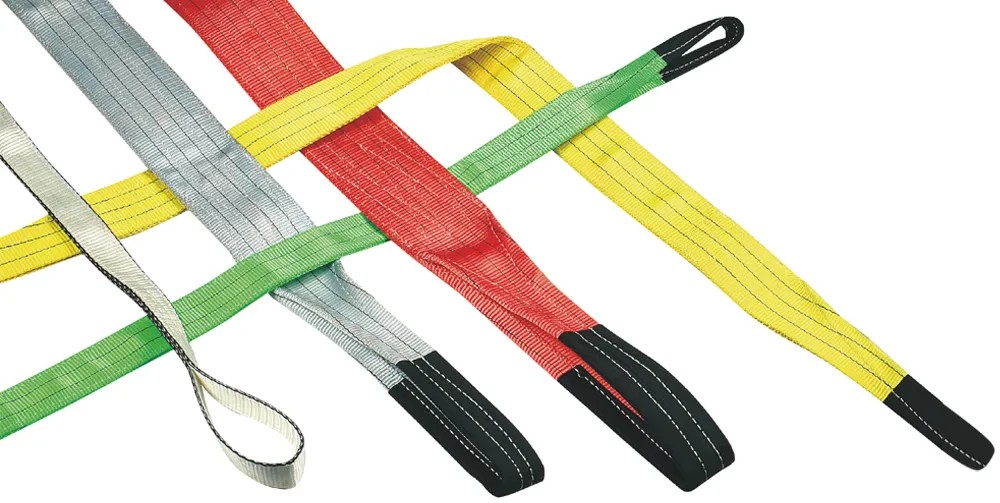
Here’s a quick side-by-side on design/safety factors for common sling standards:
Quick reminders
· WLL × (SF) ≈ minimum breaking strength.
· Factors above are for general lifting (not for hoisting people, where higher
factors/other rules apply).
· Always check the sling label & certificate; some orders specify 6:1 or 8:1 even under
Navigation
Send Us A Message
Get in touch with us
Phone